
Proof of Life: Inside OpenPlant’s Long Road to Glargine Expression
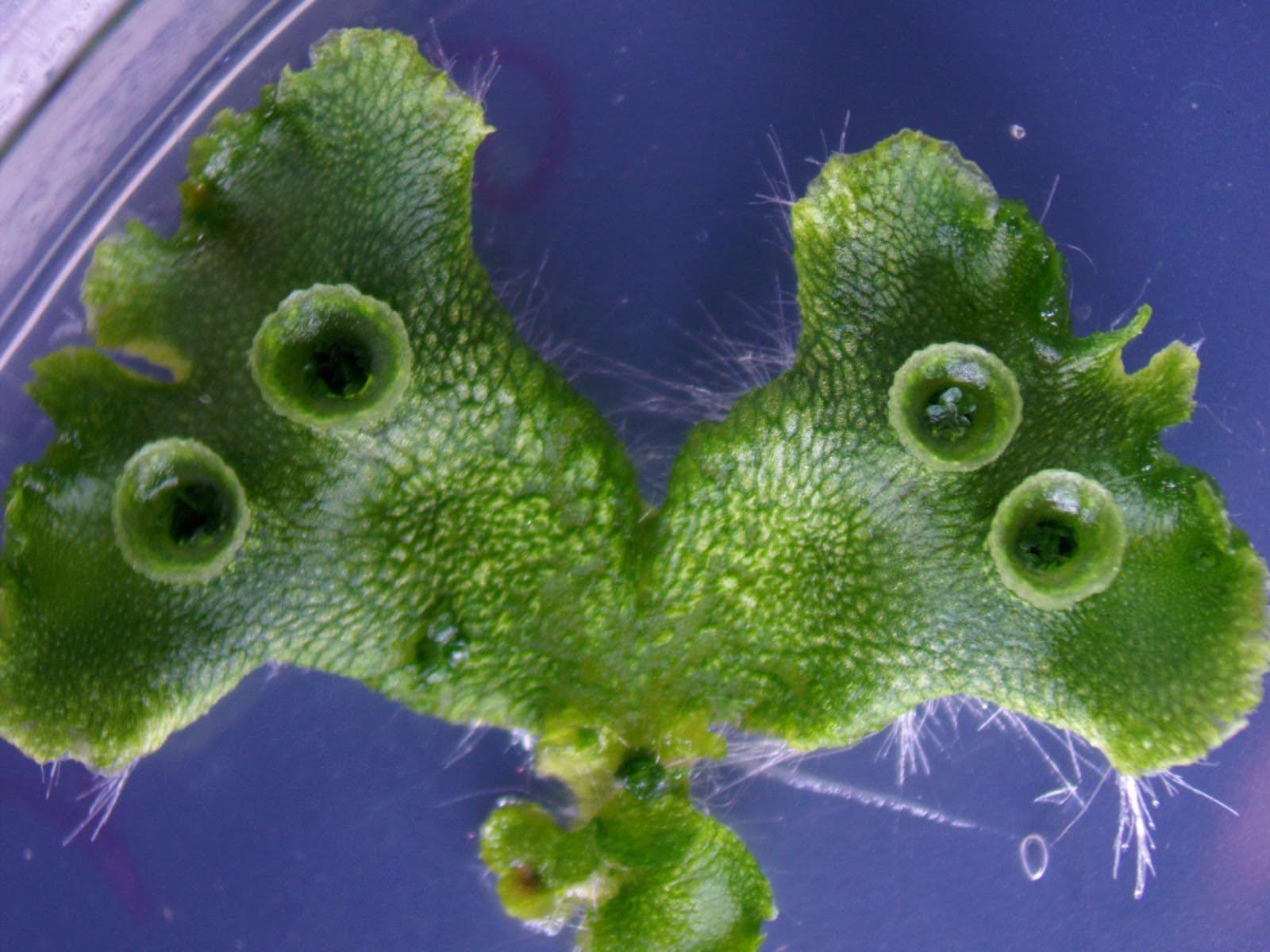
Marchantia polymorpha, the common liverwort
In early January 2026, something decisive showed up in a dataset: glargine mRNA, unmistakably present in engineered Marchantia polymorpha plants.
For OpenPlant–Genspace’s longest-running community research project–that signal marked the culmination of a year-long effort shaped by persistence, technical recalibration, and a willingness to change course when the data demanded it.
When we last reported on OpenPlant, the team had successfully inserted the gene for glargine, a long-acting synthetic insulin used to improve blood sugar control in people with type 1 and type 2 diabetes, into the genome of Marchantia polymorpha, a small, fast-growing liverwort commonly used in plant biology research.
Time lapse video of Marchantia polymorpha growing in OpenPlant’s DIY incubator.
The project’s goals are intentionally ambitious and deeply practical: to build open-source plant biology tools in accessible organisms, and to explore whether plants that could someday be grown at home might help produce essential medicines.
“I was elated when I read the email announcing we had glargine mRNA. It’s so gratifying to think back over the years of molecular cloning, plant tissue culture, transformation experiments, and all of the problems we had to overcome to reach this milestone. I’m grateful to the scientific professionals on the team for sharing their knowledge and skills and for their guidance.”
Confirming that the glargine DNA (aka insulin!) was present was an important early milestone but it was only the first step. The real question was expression. Was the gene being read by the plant’s cellular machinery? Was it being transcribed into RNA, and eventually translated into protein?
Throughout the first half of 2025, the team focused on detecting the glargine protein itself. They ran Western blots and dot blots. They attempted His-tag purification using both columns and magnetic beads. Results were consistently frustrating. Western blots produced high-molecular-weight smears rather than distinct bands at the expected size. Dot blots showed signal even in negative controls. Purified samples failed to reveal anything conclusive.
Each result raised more questions than answers.
Rather than interpret these inconclusive findings as failure, the team treated them as information. By summer 2025, they paused protein detection to verify the fundamentals. DNA sequencing of their supposedly transgenic Marchantia colony confirmed that the inserted gene cassette was 1) yes, still present, and 2) contained no nonsense or frameshift mutations. The Ef1a promoter was intact and correctly annotated. In other words, the DNA itself wasn’t the problem.
“Looking back at the time when I first joined the group, I feel immensely proud and think that this recent achievement is not only due to our hard work over the years, but also how much we have grown and learned. It’s a sign of more to come.”
By early fall, OpenPlant pivoted upstream. If protein detection–especially for a low-molecular-weight protein–was proving unreliable, the team would ask a simpler but foundational question: Is the plant even reading the gene?
That shift to transcriptomics brought a new set of challenges.
RNA work required updated safety approvals and careful handling of hazardous reagents like TRIzol. Early RNA extractions succeeded but were ultimately unusable due to incompatibilities with sequencing requirements. A second attempt failed outright.
Finally, in late December 2025, the team performed a third RNA extraction using fresh tissue from multiple transgenic lines. This time, the RNA was intact, properly purified, and shipped for sequencing.
When the results came back, they offered the clearest answer yet. Glargine transcripts were detected across multiple engineered M. polymorpha lines and were nearly absent in wild-type plants. One transgenic event ranked in the top 2.5% of all expressed genes in the plant’s genome.
In other words: yes! The gene is there. And it’s turned on.
“I’m deeply inspired by the enthusiasm of the Open Plant group, and with the remarkable advances in biotech it’s very exciting that we could perform RNAseq on our samples to confirm glargine expression.”
The glargine protein itself remains elusive, and the work is far from over. But transcription, or proof that the plant’s cellular machinery is actively reading the gene, is a critical milestone. It provides validation, direction, and momentum for the next phase of experimentation.
This is what research really looks like, whether at a community bio lab or a large university. It’s iterative and nonlinear. It involves dead ends, regrouping, and shared problem-solving. OpenPlant’s progress reflects not just technical success, but the collective effort of community scientists willing to stay with a hard problem over time.
If you’re curious about DIY plant biology, open-source pharmaceuticals, or what research looks like outside traditional institutions, OpenPlant is always growing–and there’s room at the bench.
Further reading:
Insulin Rationing Persists Despite Policy Changes, Study Shows
2018 OpenPlant Handbook from the UK’s OpenPlant Synthetic Biology Research Centre
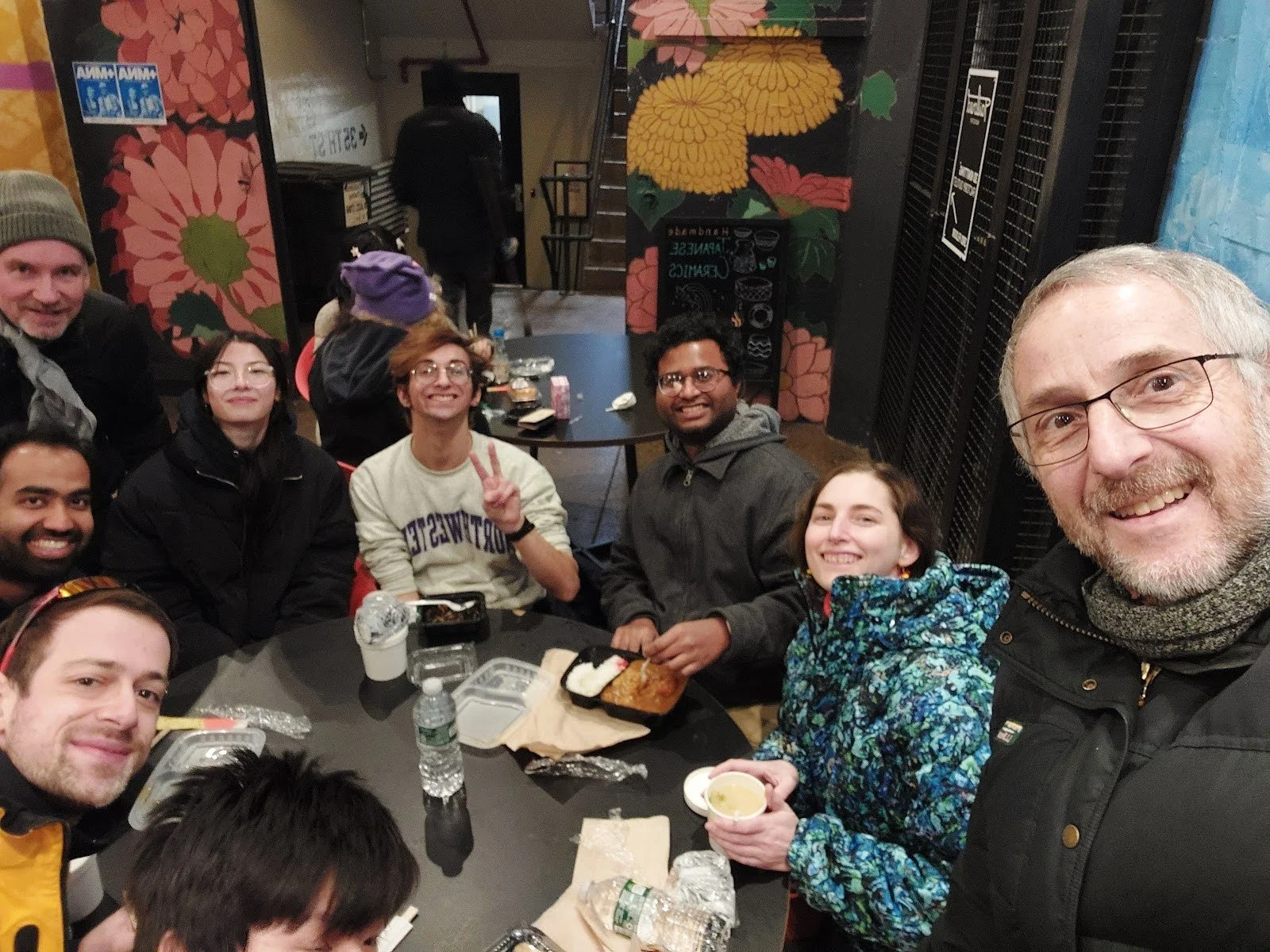
Starting from the right, around the table: OpenPlant community members Jeremy, Penelope, Kamal, Alex, Yuna, Dave, Nitin, Lucas, and Brady
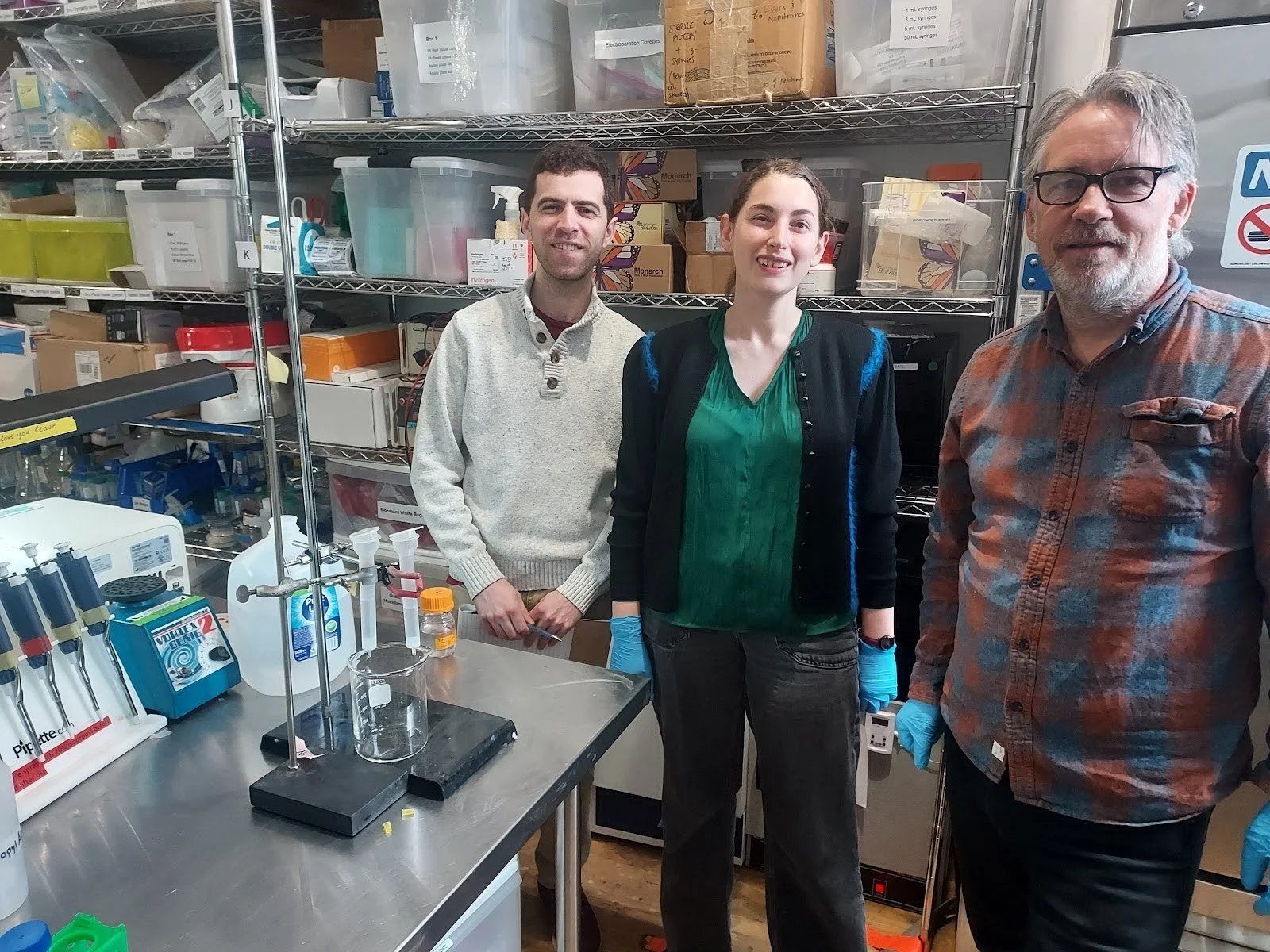
Left to right: OpenPlant researchers David, Penelope, and Dave