The six-month Genspace Artist in Residence (AIR) program is designed for artists who want to devote intensive time to delving into biology's tools, knowledge, and techniques and exploring the intersection between science and the arts, a field known as BioArt.
Current Artists in residence
Jingyi Yang
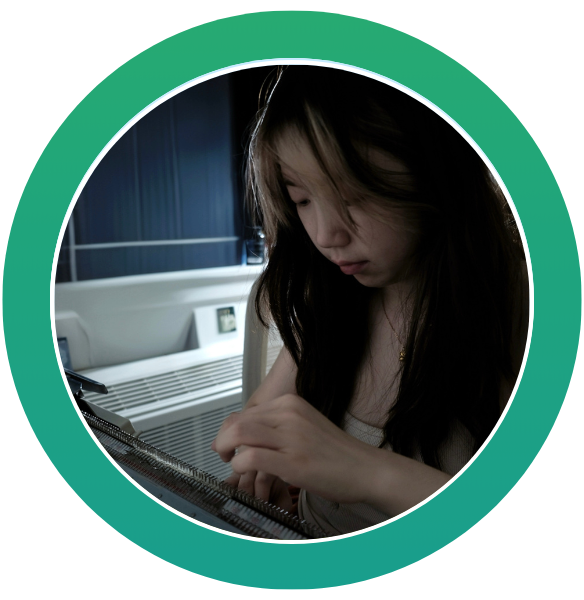
Jingyi Yang is a textile artist and fashion designer from Inner Mongolia, now based in New York. Her practice explores biomaterials, cultural memory, and experimental textiles through algae-based materials, weaving, and installation. By combining innovative bio fabrication processes with reinterpreted Mongolian traditional motifs, she creates sculptural textile forms that investigate transformation, distance, and the relationship between material and memory.
Becca rodriguez
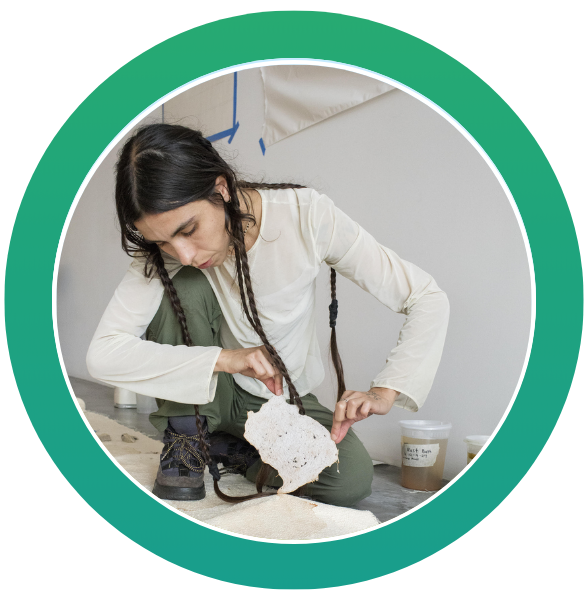
Becca Rodriguez (they/them) is a multidisciplinary artist and musician who grew up with the beaches, wetlands, and forests of Florida and Georgia. They explore evolutionary biology and multispecies relationships through experimental research and process-oriented craft. Working across ceramic sculpture, biomaterials, field work, and sound, Rodriguez has shared installations as living ecosystems in both gallery and outdoor public spaces, oftentimes representing lifecycles and puddle habitats of amphibians.
About the AIR program
The AIR program will provide free membership over the six-month period, access to laboratory facilities, classes, a welcoming and active Genspace community, and a stipend. AIRs will receive support to share their work with the general public and the Genspace community through public programming and possibly an exhibition.
smoke and mold, a literary journal invested in the narrative possibilities that trans lives bring to our changing nature-culture, is partnering with Genspace to sponsor one 2026 Genspace residency for a trans, nonbinary, or Two-Spirit artist. smoke and mold recognizes trans, nonbinary, and Two-Spirit artists, especially those holding multiply-marginalized identities, have historically faced significant barriers to accessing institutional opportunities in the arts and sciences. The BioArts are a particularly potent field in which to explore, experiment, and explode categories heretofore rigidly defined under Western science, including but not limited to gender, sexuality, corporeality and individuality. Preference will be given to an artist who can speak to how their work addresses this broader cultural aspect of the BioArts.
The techniques of the biology lab have increasingly become part of the general culture and the field of BioArt, which has become an established discipline. BioArtists combine biological sciences with artistic investigation techniques and are often motivated by a desire to connect audiences to a more profound understanding of the natural world, question technology’s role in society, and approach urgent problems through innovative means. A painting made in collaboration with bacteria, a sculpture carved from mycelium, jewelry made with algae, and a performance piece that involves genetic manipulation are all examples of BioArt.
Applicant criteria:
- Must have at least 3 years of experience in their artistic field
- An existing BioArt practice
- Must be 25+ years of age
- Must be a resident of New York City or the tri-state area: NY, NJ, CT (note that the AIR program does not provide housing)
- The AIR sponsored by smoke and mold must participate in a smoke and mold online feature during the residency
Please submit project proposals that combine an artistic vision with biological lab work. How does your artistic idea push the boundaries of BioArt? We are looking for proposals that are as much about the art-science process and the relationship with your proposed biological organisms as it is about the final product.
AIRs will be expected to work on their projects with a high level of independence, so some laboratory experience is suggested and some scientific knowledge and experience is helpful.
The AIR program will support two artists for six months (April 20 - October 31, 2026). The AIR program will allow artists to access and fully leverage Genspace individual membership benefits. We see this as a special opportunity to bring your art practice into an active laboratory so we are seeking applicants who are able to commit to a minimum of 10 hours/week in the lab.
Genspace is located in Sunset Park, Brooklyn. To be an AIR you MUST be prepared to travel to and from the lab frequently. Please familiarize yourself with the commute you would need to take to get to Genspace to confirm this is manageable for you.
There are a few mandatory sessions in April that the AIR is required to attend:
- Required: Orientation (Late April, date TBD)
- Required: Two 4-hour “How to Science” introductory sessions with our Lab Manager to learn some of the techniques and experimental planning often used in BioArt practices. Early May dates TBD.
- Optional: Classes, including introduction to lab techniques and technology classes, Exact dates and times TBD. Covering sterile technique, genetic ancestry, molecular cloning, intro to genetic engineering and synthetic biology, and more.
The residency includes:
- Access to community lab space, equipment, and supplies
- Free introductory intensive courses that teach necessary laboratory skills.
- A stipend of $1000 and a materials budget of $750
- A mandatory public-facing presentation at Genspace at the end of the residency in late October
- Curatorial consultants to help artists translate their projects to a broader audience.
In addition, the AIR will have support for:
- Engagement with Genspace programs
- A public outreach opportunity (i.e., a talk, workshop, or studio visit)
- A possible public exhibition of art related to the residency
Note: Genspace is a Bio Safety Level 1 laboratory, meaning that no pathogens that are toxic to humans can be used in the laboratory.
Some examples of experiments that we can’t support: environmental culturing, cell culture (with human cell lines), sporulating organisms, and food science (for consumption).
A committee of Genspace community members, outside curators, and mentors will review the proposals and select those best suited to our mission and facility. The panel will prioritize artists with historically marginalized identities and applicants who lack access to resources.
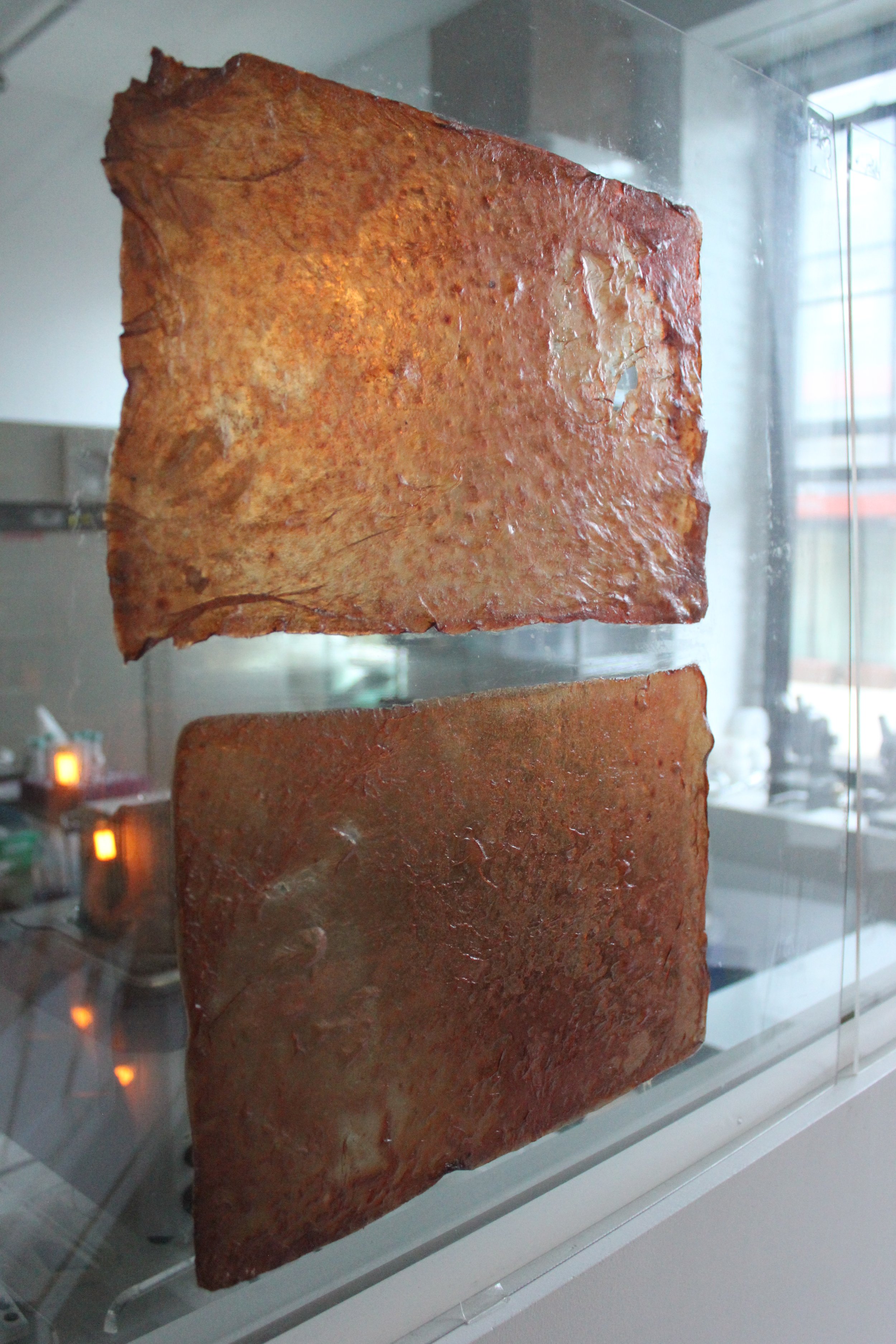
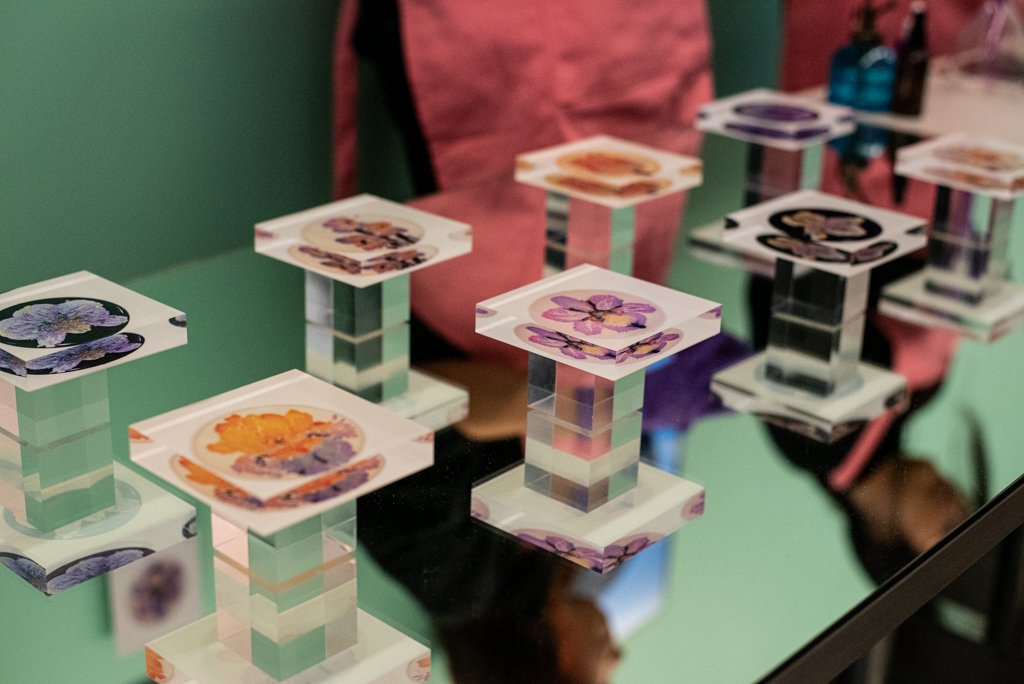
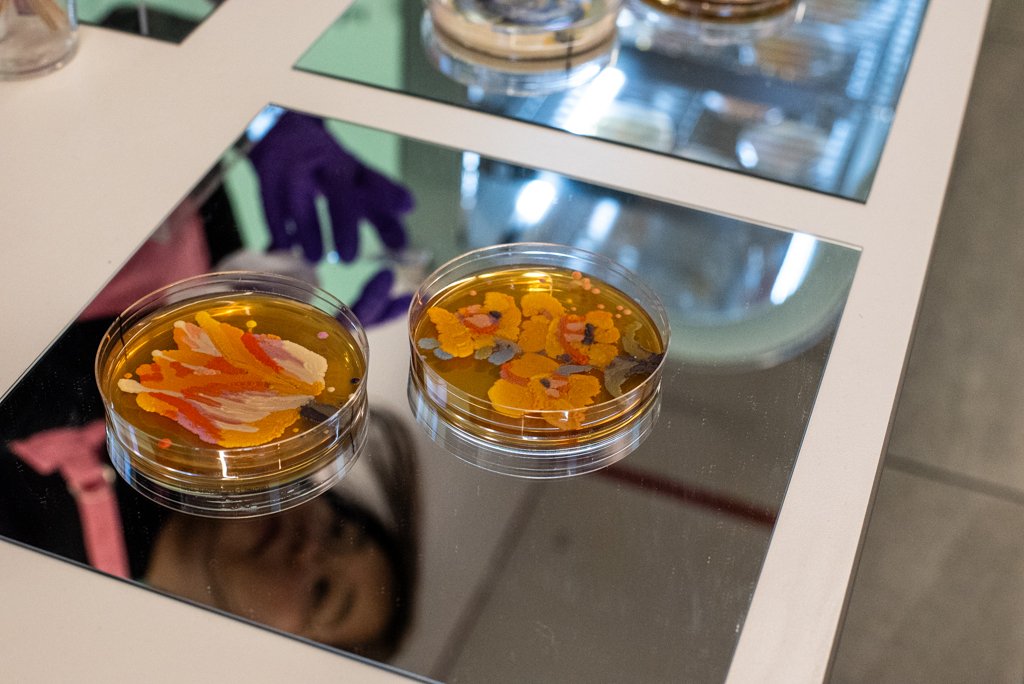
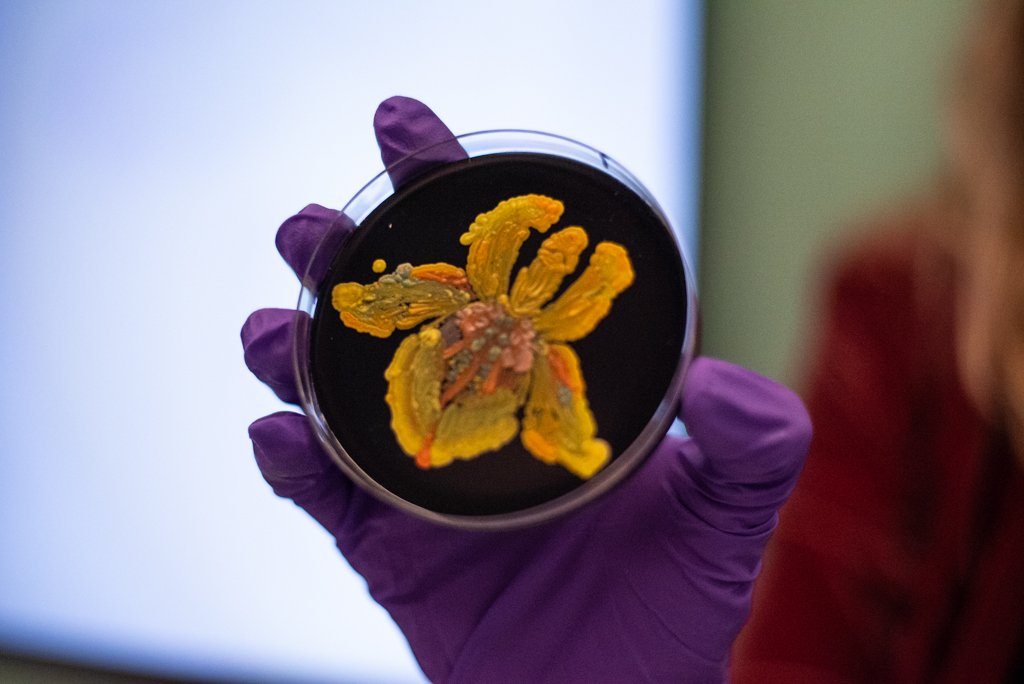
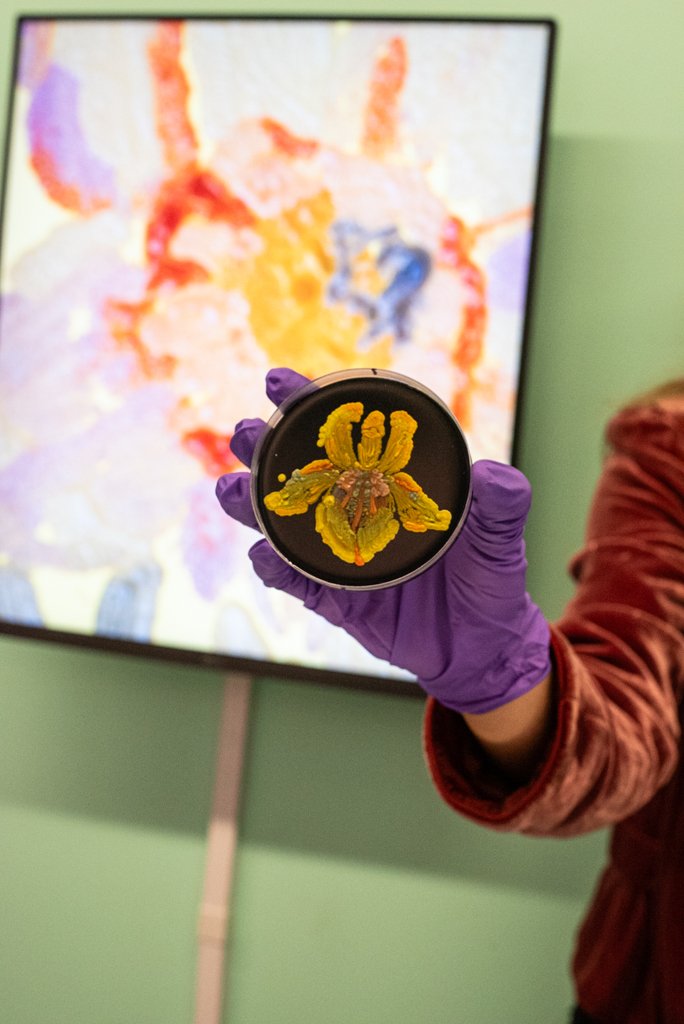
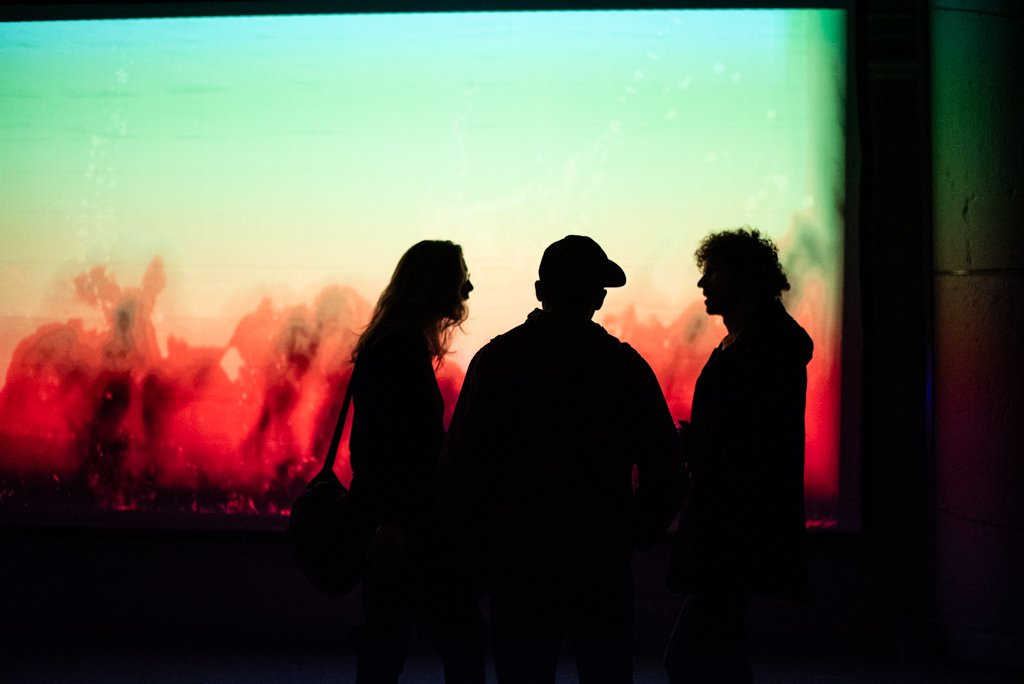
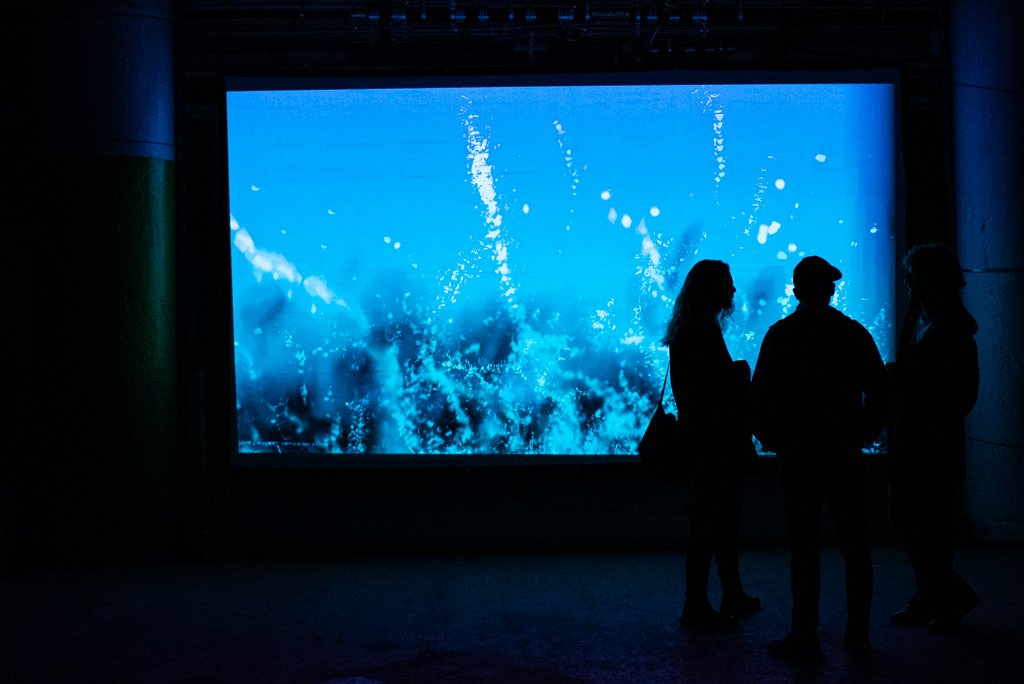
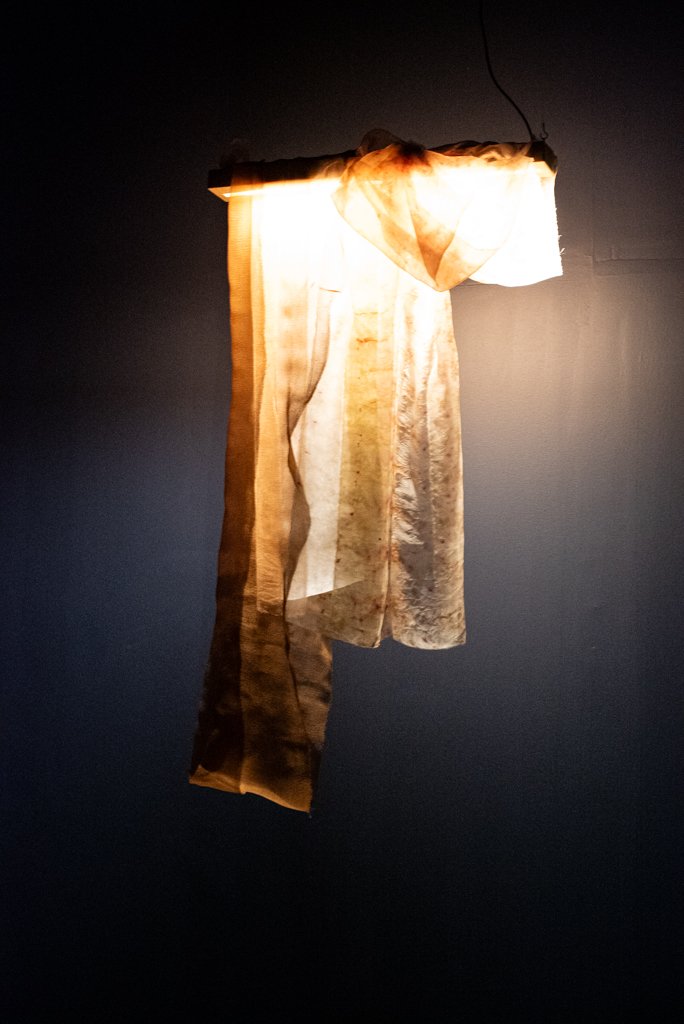
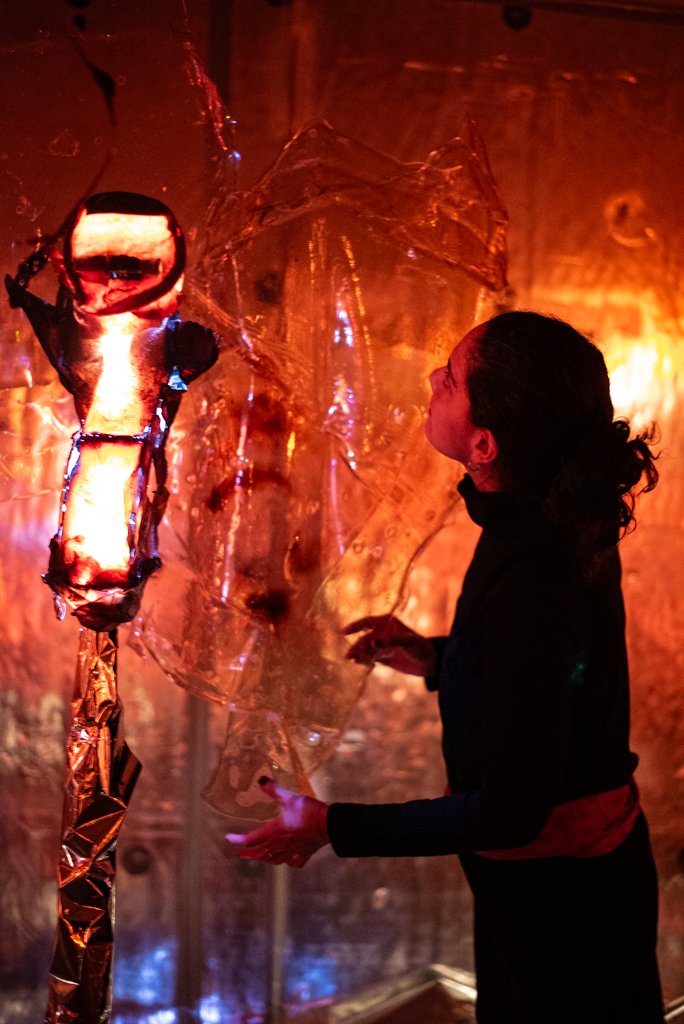
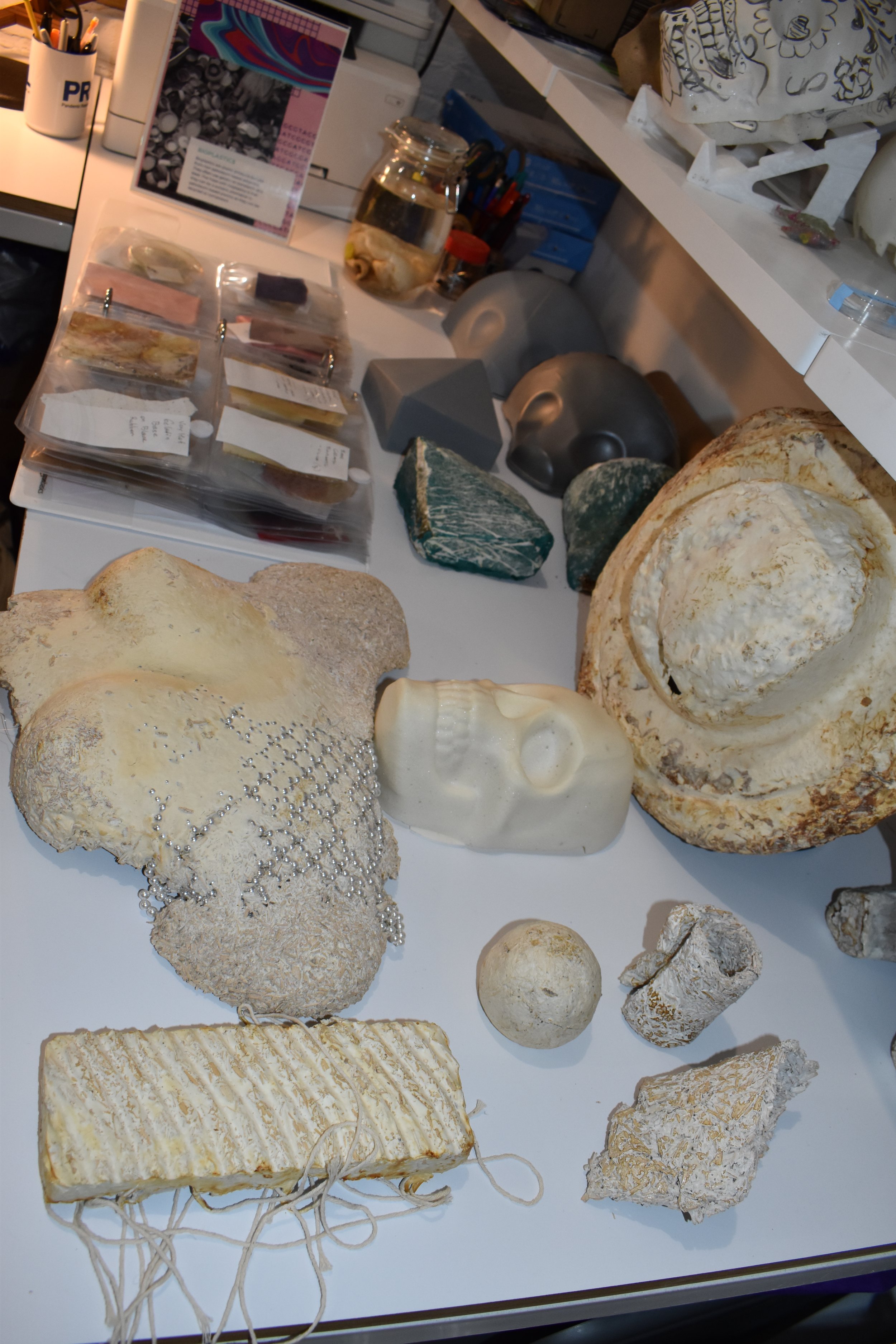
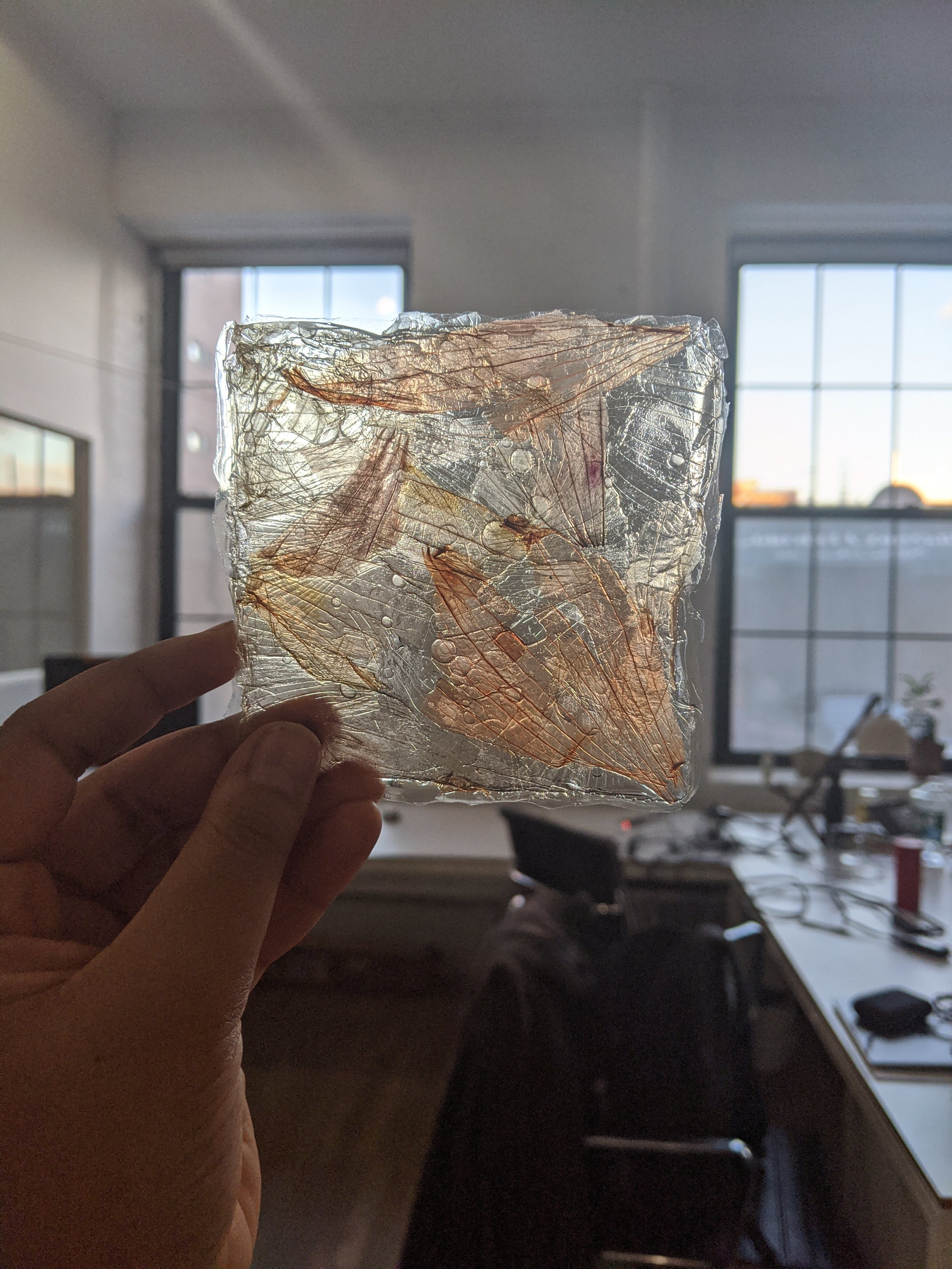
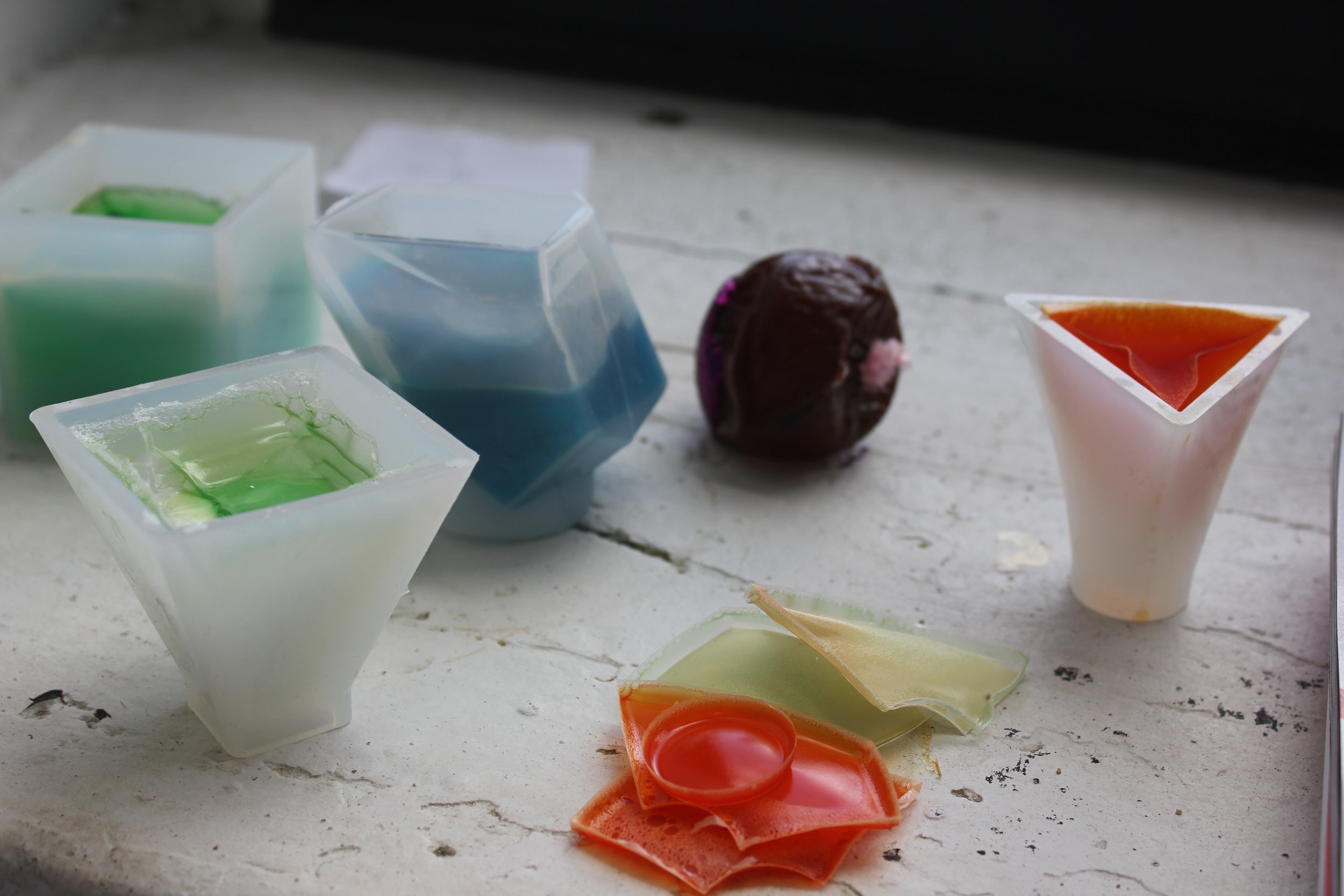
First row from left: SCOBY leather, (rest of first row) Biogenetic Blooms by Karen Ingram; Second row from left: Biogenetic Blooms by Karen Ingram, Scorched Honey Archive-Residues, John Roach, John Roach, Quiet Lights by Laura Kung; Third row from left: The Light in Me, Sees the Light in You by Lolo Ostia, Mycelium forms by the Genspace Biomaterials Studio, Bioglass by Fan Kong, Biomaterial forms
Genspace is uniquely suited to support the needs of interdisciplinary artists who work with biological techniques because of the “maker culture” of our lab and the mix of experts able to provide guidance to artists’ projects. The tools and techniques of the biology lab have increasingly become part of the general culture, and the field of BioArt, where artists combine techniques from the biological sciences with artistic investigation, has become an established discipline.
Some examples of BioArtists who have worked at Genspace:
Lolo Ostia, Elaine Young, Karen ingram, Aradhita Parampsuria, Fan Kong, Sally Kong



FORMER ARTISTS IN RESIDENCE

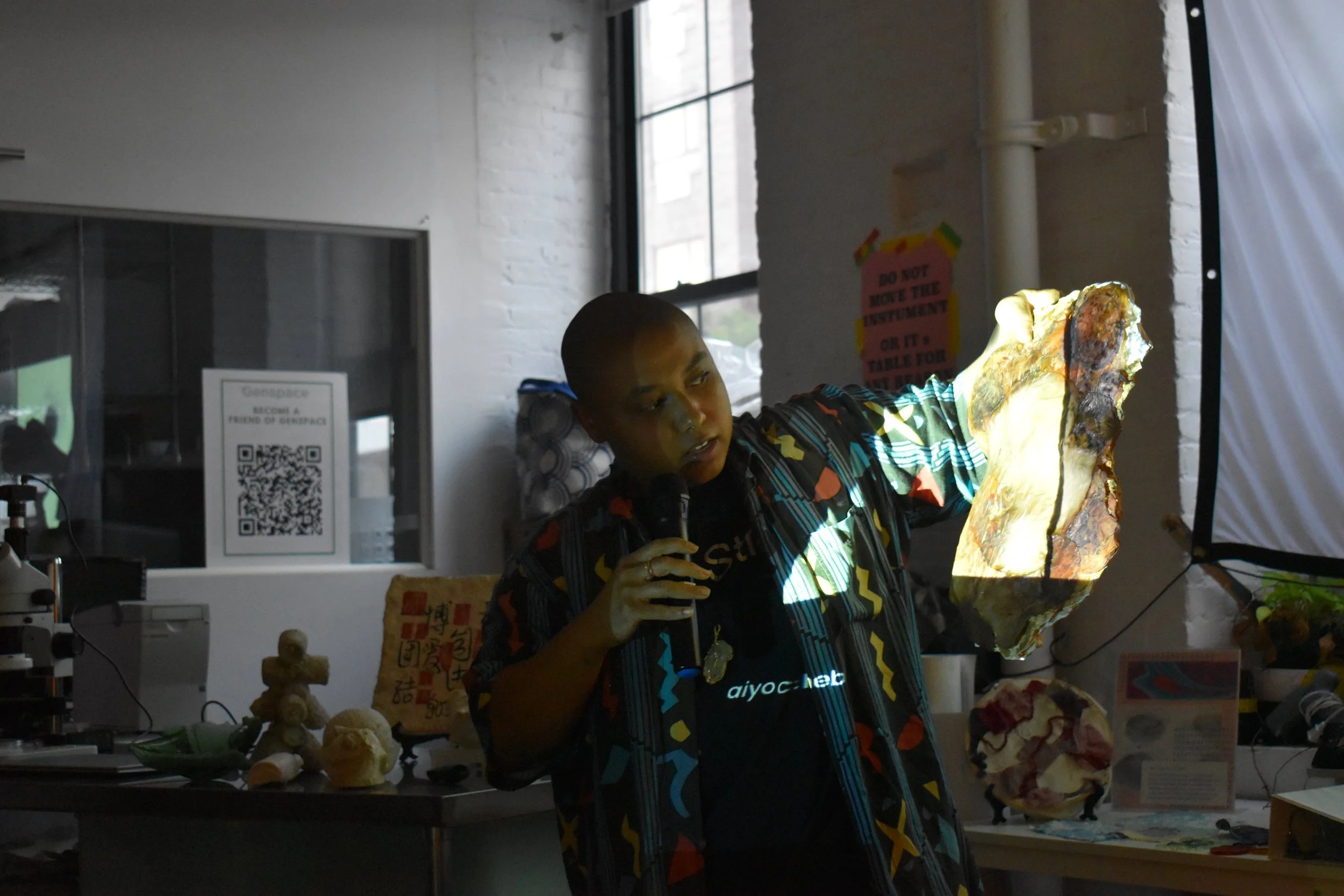
Aiyo Cheboi
PROJECT: BOTH THEIRS AND MINE
Aiyo Cheboi (they/them) is a Black, genderqueer human seeking to root into community via radically courageous exchanges of knowledge. They are also an experimental artist and emerging educator centered at the intersections of design, technology, research, sustainability, art, and cooking. Spiritually and politically, they’re committed to nurturing the collective expression of imagination.
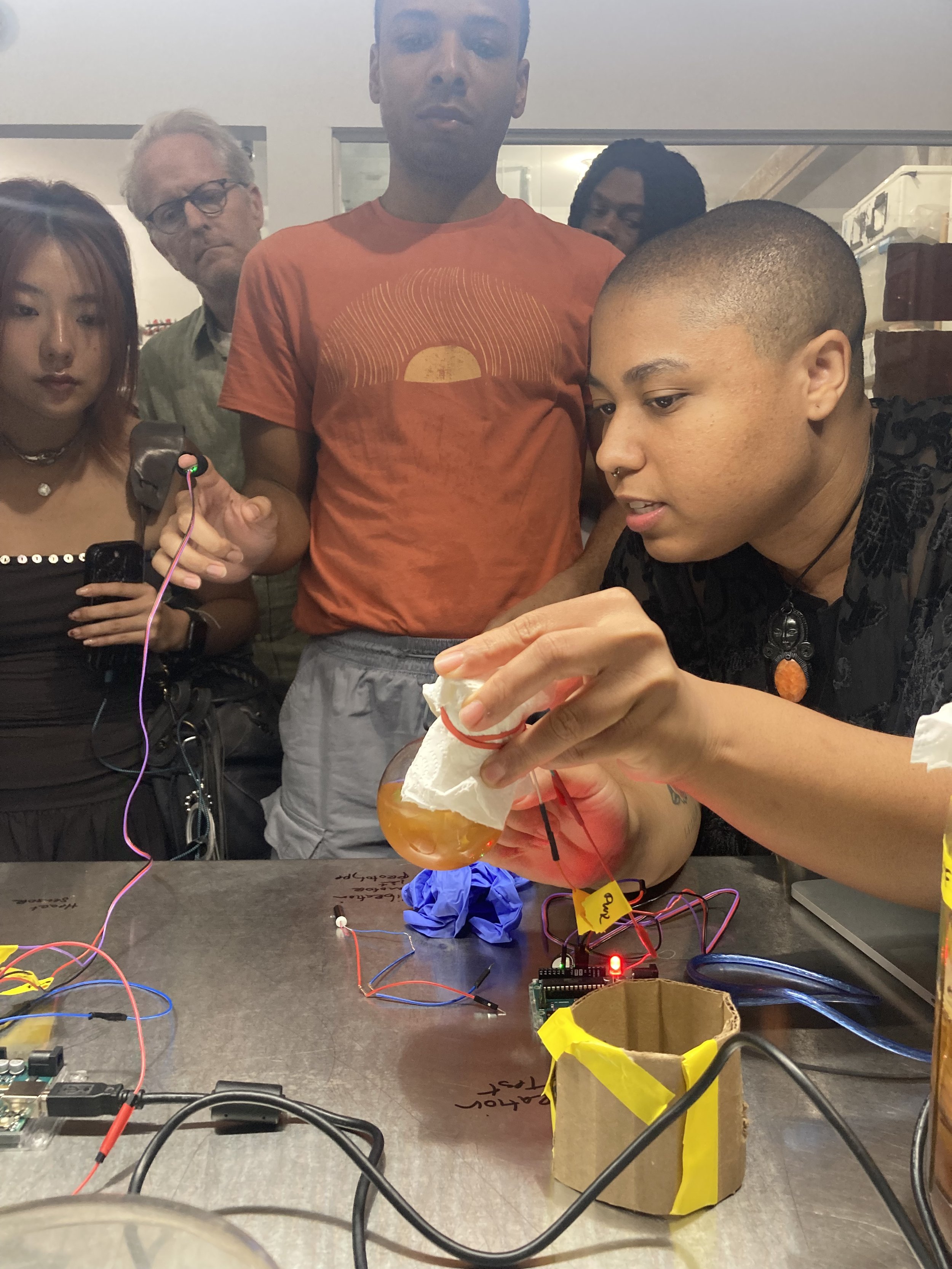
cheboi’s project ‘both theirs and mine’ is a touch-encouraged, pulse-sensing installation ~ nestled in an ecosystem of “soft” microbial technologies, hardware, human biometric data, and a search for the heartbeat(s) of community amidst a time of rapid disconnection. They have been working with SCOBY (symbiotic community of bacteria and yeast--the basis for food like kombucha). At Genspace they worked with their science mentor to embed sensors into SCOBY heart form. The SCOBY responds to the human pulse monitor by vibrating, setting up a direct relationship between the bacterial cellulose and the human.
ALVARO AZCARRAGA
PROJECT: Franken-corn
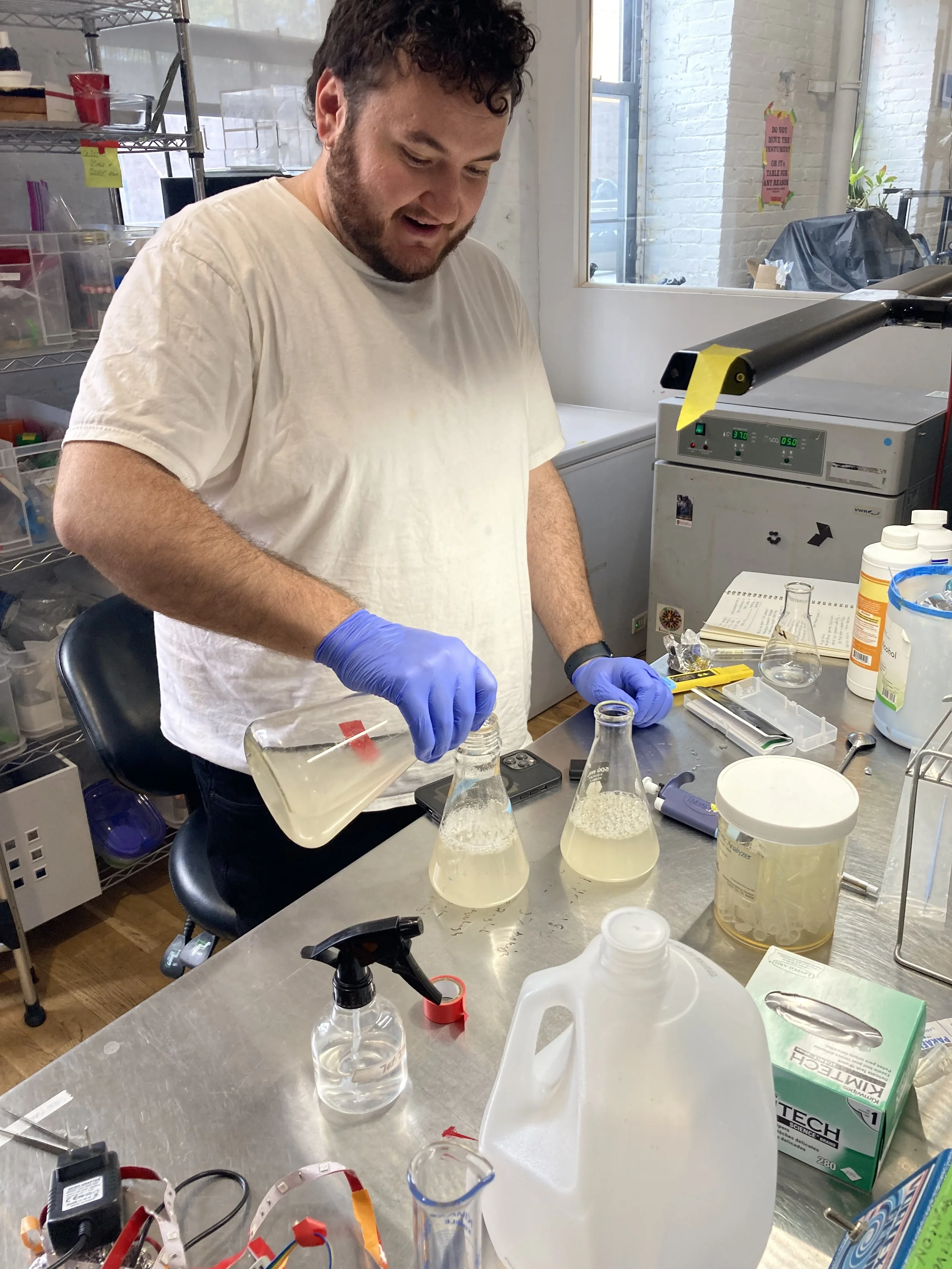
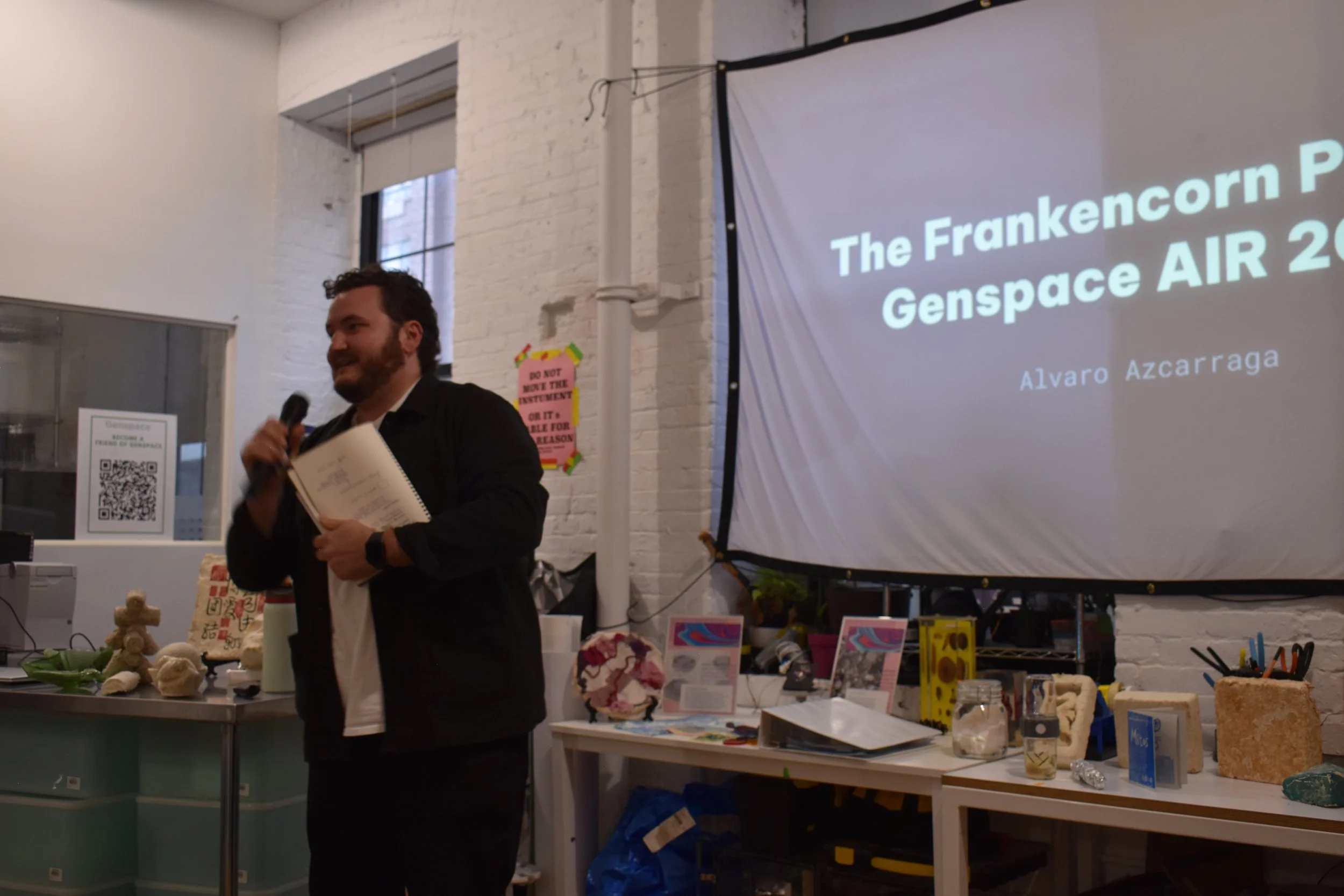
Alvaro Azcarraga (he/they) is a Mexican artist and researcher who works with plant-like organisms with a focus on the history of scientific colonialism. With a background in Molecular and Cellular Biology, he looks at how the micro relates to the human and beyond. His work also examines the post-natural, specifically looking at the artifice that is embedded within the term natural. He has been working with Maize for the last five years. Past projects include laser-etched maps of Tenochtitlan onto tortillas and growing maize varieties to engage in a genetic - based conversation.
Azcarraga’s project, The Franken-Corn Project, looks at maize genetic lineages and how they weave and mesh together across borders. While growing maize cell cultures he is investigating the legacy and effects of maize colonization on both the plants and humans involved. While at Genspace he was able to develop new strains of maize that will be grown into full plants. These plants will be harvested and the husks will be used for paper screens that will display both images from the development of the hybrids (see below for images of the new strain taken through a microscope) and a series of objects that incorporate and explain the lineage of the new plants.

Tajah Ellis
Project Title: [ss] ::: Solar Seeds
As a designer and artisan, Tajah Ellis’ research base centers growth, decay, and circularity. Through intuitive chemistry, organic mapping and biological emergences, her craft synthesizes the undercurrent into the apparent, reflecting the dynamic expressions of convergence, divergence and integration within natural systems. This practice is encapsulated through OUTOFSEAM, a connective materials entity, rooted in chemical transfiguration by drawing from rituals of antiquity into extended future formations. She continues to morph through each experience of reflection and rejuvenation, rooted firmly as a born and bred Brooklynite, by way of the crystalline waters of Central America, Belize.
“[ss] ::: Solar Seeds” is a series of material growth of algae pigment onto protein fiber. This series will blend historical dye ideology with modern scientific inquiry. We will collect, test, and explore temperature, pH and sunlight collected from local ecologies. The intention of this collection is to quantify data with visual exploration of color shifts within the microorganisms of our immediate environment.

Ezra Moth
Project Title: DIY HRT
Ezra Moth (he/they) is a sculptor, ecologist, and drag performer. Their work deals with the intersection of ecology and queer liberation. Presenting radical alternatives to the climate catastrophe, they center nonbinary and nonhuman perspectives. Plants, algae, fungi, and bacteria are their inspiration to imagine new mythologies and speculative utopias.
While in residence at Genspace, Ezra will be studying phytoestrogens in fennel plants, with the intention of growing a garden of experimental plants for use in hormone replacement therapy.
Caroline Chao
Project Title: With(in)
Caroline Chou’s background in microbiology, community public health, and visual arts has led her to develop a multidisciplinary artistic practice centered on microbial ecologies. In the past, she has used performance art, biomaterials, poetry, and animatronics to express microbial community dynamics. Not bound to a particular medium, Caroline’s work is driven by interdisciplinary research and rooted in narrative. Inspired by the replenishing and interconnected relationships microbes have with the world around them, she aims to make science accessible through multiple senses and bring community, scientists, and systems of power together in conversation with one another.
With(in) features the journey of Cordyceps fungi, found in supplement capsules, finding their way back to an insect partner.Cultured C. militaris or 蛹蟲草 (Yǒng chóngcǎo), are reintegrated back into a soil ecosystem where the changing microbial community dynamics inside and outside the lab were observed over four months.
Lorraine Cruz
Project Title: Future fossils
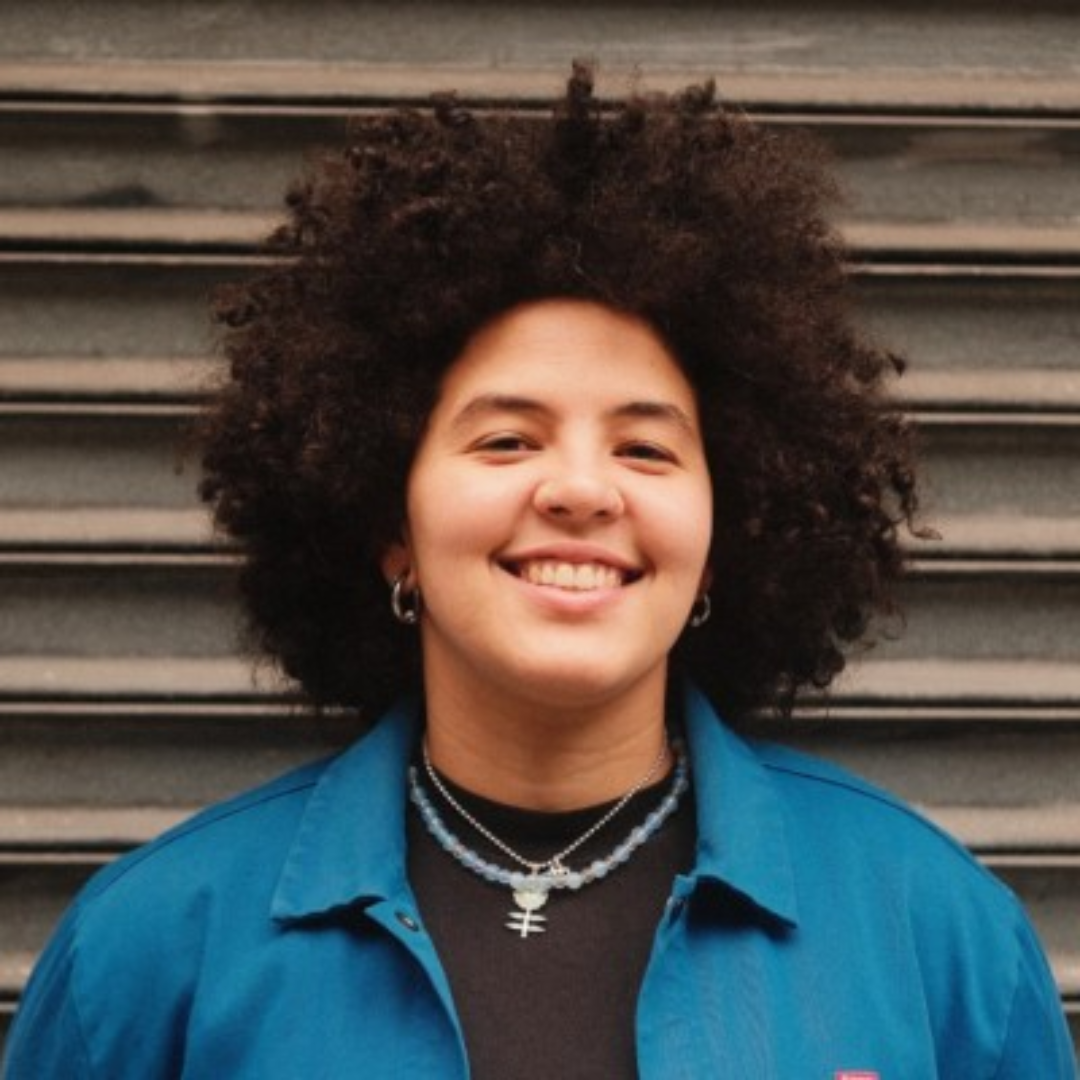
Lorraine Cruz (they/them) is a multidisciplinary researcher and designer working across physical and digital media, film, publications, social engagement, and data visualization. Their practice centers critical research and storytelling as tools for worldbuilding, seeking alternatives to extractive industries while speculating on possible futures. They hold a BA in Psychology and Philosophy from New College and an MFA in Design and Technology from Parsons. Cruz creates spaces and experiences that invite reflection, often confronting audiences with existential questions. They are currently an Artist-in-Residence at Genspace, where they develop biomaterials and experiment with plastic-eating microbes as part of broader research into the plastic crisis and bioremediation.
Future Fossils is part of a larger body of work titled "Living in a Plastisphere" that investigates how microbial communities colonize and adapt to plastic waste. These "plastispheres”, ecosystems that form on plastic debris, mirror humans' own reliance on synthetic materials and reveal how plastic is fundamentally reshaping life at both microscopic and global scales. In this piece, everyday plastic objects are recast in mycelia and bioplastic, positioning end-of-life design as a systemic alternative to material production that plans for material recovery from the start. Through this material transformation, once-familiar objects lose their recognizability and dissolve into ambiguous relics—artifacts that gesture toward possible futures beyond our current plastic economy. The work invites audiences to step outside the plastisphere and consider: What might realities look like beyond plastic dependence? Could we imagine futures shaped by plastic reduction, regulation, or even the complete halt in production?
Frequently Asked Questions:
What is the time commitment? Are lab hours open or would AIRs have set weekly days or times?
We ask that AIRs commit at least 10 hours/week of work in the lab during the residency.
Work Samples:
We understand that this project may be in its beginning stages, and that you may not have work samples from this project specifically. Send the work that you feel is most relevant, and describe how it connects to your proposed project.
How may I use the stipend funds?
The stipend is unrestricted, and may be used as you see fit.
I have a previous commitment during the residency period. Can the residency timing be extended or altered?
If you are unable to commit to being present for the full residency period, please wait and apply during a future application cycle.
What would you hope an AIR would bring to Genspace?
We would hope to see an expansive view of how science is incorporated into an artistic process and a willingness to engage in interdisciplinary conversations and resource-sharing. Also, we suggest proposing a project that you plan to continue with beyond the residency.